In South Korea’s South Jeolla Province, there’s a county called Yeongam. It’s mostly flat farmland, and it’s also where Korea’s F1 Grand Prix used to be held. But right in the middle of that flat landscape, one mountain rises up out of nowhere: Wolchulsan. The sunrise you can catch from Wolchulsan is genuinely stunning, and because the area is so free of light pollution, hiking before dawn here feels like the stars are practically pouring down on you.
Source : Jeollanam-do Provincial Government
It’s a fair distance from Seoul, but if you ever find yourself in South Jeolla Province, it’s worth pairing a Wolchulsan hike with a meal in the region, since Jeolla is widely considered to have the best food in Korea. And if you can time it right, catching sunrise from the summit makes the whole trip even better. Wildlife encounters on busy national park trails aren’t common, but wild boars do live in Korea’s hills, so I’ll cover what to do if you run into one below.
This post is a detailed guide to hiking Wolchulsan in Yeongam for sunrise.
Wolchulsan Sunrise Hiking Course (Korea Mountain Guide)
The most popular route for a sunrise hike starts at Cheonhwang Trail Support Center, passes through Cheonhwangsa Temple, crosses the cloud bridge (gurumdari), goes through Tongcheonmun Gate, and finishes at Cheonhwangbong, Wolchulsan’s highest peak at 809 meters. It takes about 40 minutes to walk from Cheonhwangsa Temple to the cloud bridge, which itself sits at 510 meters elevation and already offers a wide-open view on its own.

Once you pass through Tongcheonmun Gate and reach Cheonhwangbong’s summit, you get a completely unobstructed view stretching across Yeongam’s farmland all the way to the sea in the distance, and the sunrise from up there makes every minute of lost sleep worth it.
Source : Korea National Park Service

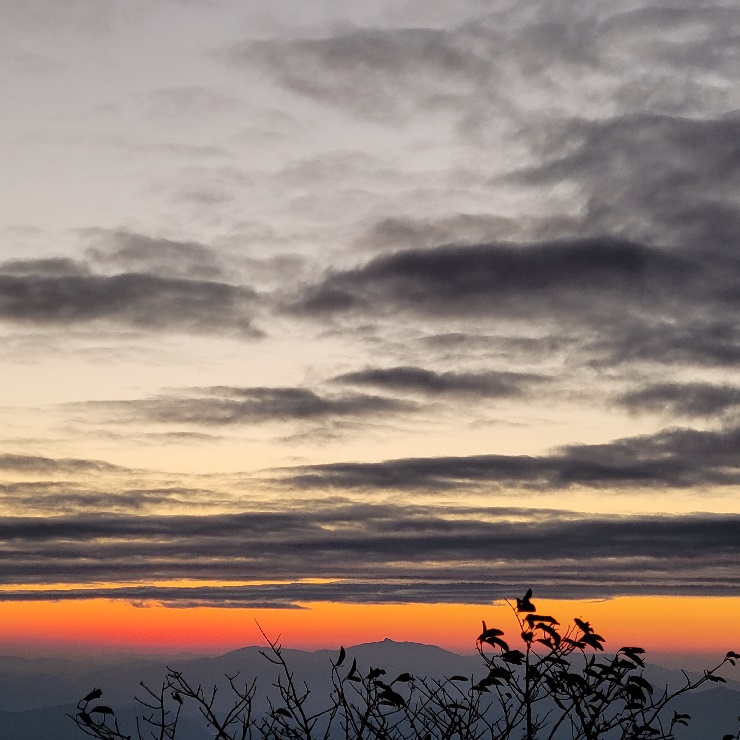
There’s one thing you absolutely need to check before planning a sunrise hike, though. For safety reasons, Wolchulsan National Park sets seasonal entry times: from 4 AM during the warmer months (April through October) and from 5 AM during the colder months (November through March). Since summer sunrise in Korea typically happens right around 5 AM, starting right at the park’s opening time gives you a real shot at reaching the summit through the cloud bridge and Tongcheonmun Gate in time.
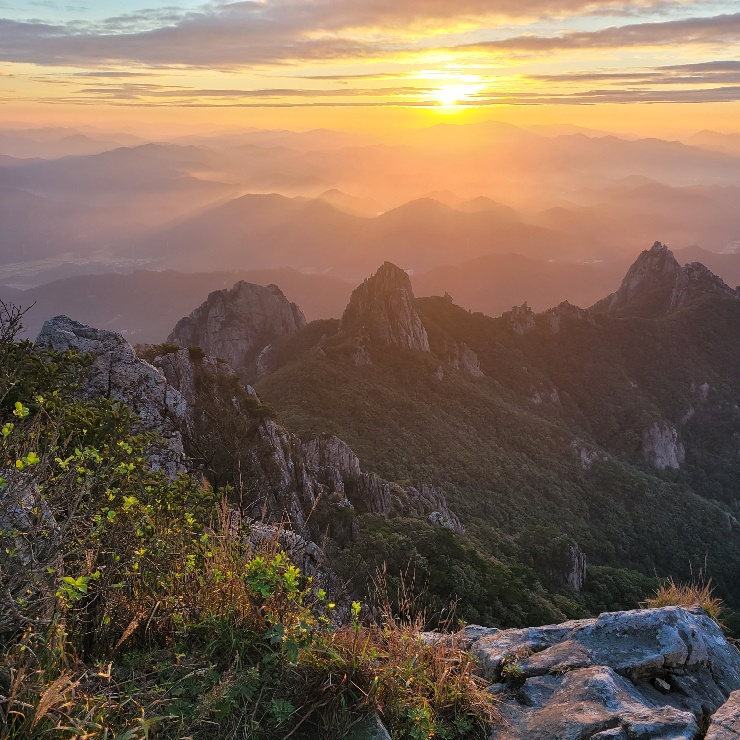
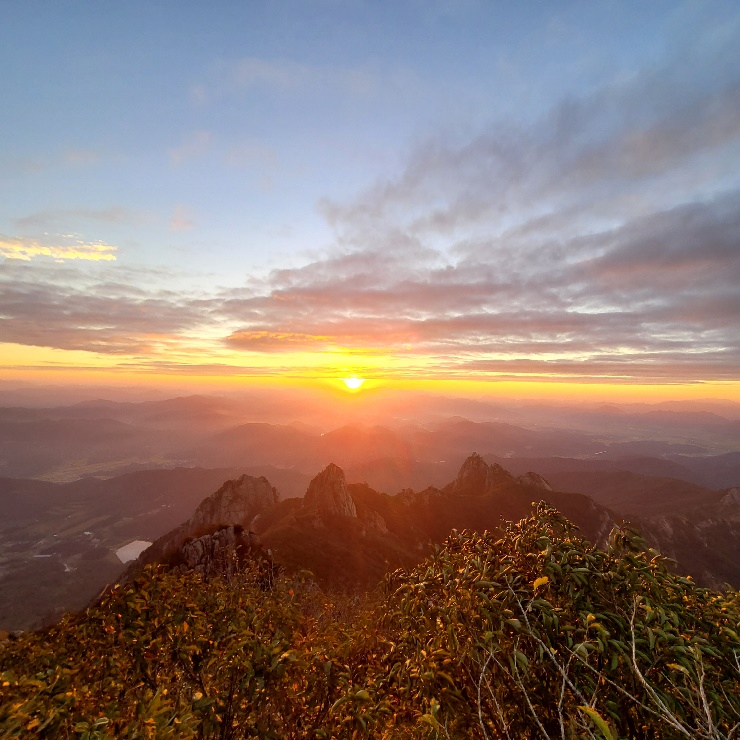
That said, you’ll still need to keep a brisk pace to comfortably make it to the top before sunrise, so I’d recommend checking both the current entry time and that day’s exact sunrise time on the Wolchulsan National Park office’s website before you go, and starting the moment the gate opens if you can. If the summit timing still feels too tight, catching the sunrise near the cloud bridge instead is a perfectly beautiful backup plan.
Source : Korea National Park Service
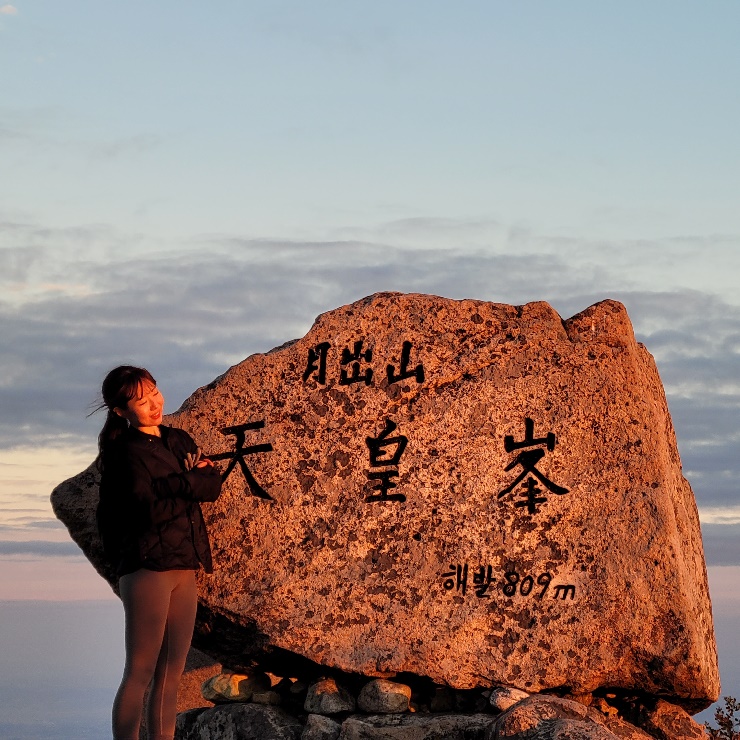
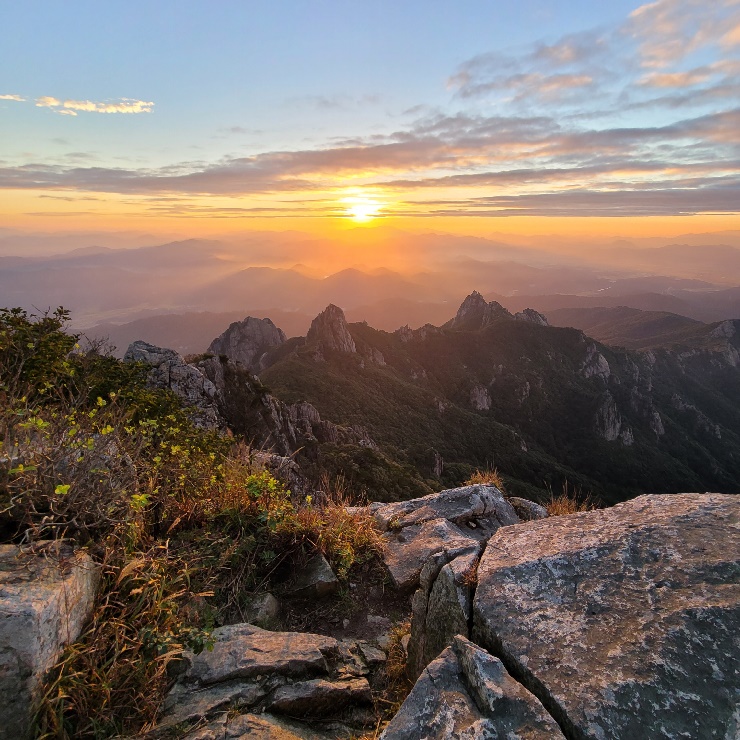
As the name suggests (Wolchulsan roughly translates to “the mountain where the moon rises”), this is a mountain made almost entirely of rock, so the ups and downs can feel more demanding than a typical dirt-trail mountain. The cloud bridge and Tongcheonmun sections have well-installed stairs and metal railings, so they’re not dangerous, but the grade is steep in places, so trekking poles and shoes with solid grip are worth bringing. Park admission has been free since 2007, so there’s no cost barrier to visiting. As for wildlife, wild boars do live in Korea’s hills and tend to be more active around dawn, so it’s worth knowing what to do if you meet one: stay calm, avoid sudden movements, don’t run or shout, and slowly move behind a tree or rock. Beyond that, the near-total absence of artificial light means that once you’re out on the trail before dawn, you’ll likely find yourself under a genuinely overwhelming blanket of stars.
Source : Korea National Park Service
Getting to Wolchulsan from Gwangju
Wolchulsan is quite far from Seoul, so routing through Gwangju is the most realistic way to get there. From Gwangju’s U-Square Intercity Bus Terminal, you can catch a bus toward Yeongam that takes roughly 40 minutes to an hour to reach Yeongam Terminal. Bus intervals vary by route, so it’s worth checking the real-time schedule on a booking app or the terminal’s website before you head out.
Once you’re at Yeongam Terminal, taking a taxi to Cheonhwang Trail Support Center is the most convenient option. If you’re planning a pre-dawn sunrise hike, keep in mind that public transit usually isn’t running at that hour, so I’d strongly recommend booking a call taxi in advance. If renting a car is an option for you, the drive from Gwangju to Wolchulsan takes roughly an hour, which gives you a lot more flexibility for an early morning start.
Things to See in the Yeongam Area
A good spot to pair with your Wolchulsan hike is the Wangin Scholar Historic Site, dedicated to Wangin, a Baekje-era scholar. It draws a lot of visitors during cherry blossom season in spring, and the grounds include gardens and an exhibition hall worth walking through.
Source : Yeongam County
Yeongam is also home to the Korea International Circuit, the track that once hosted Korea’s F1 Grand Prix. F1 no longer races here, but the circuit still hosts domestic motorsport events and driving experience programs open to the public, so it’s worth a visit if you’re into cars.
Source : Yeongam County
Finally, Yeongam, like the rest of South Jeolla Province, is widely regarded as one of Korea’s best regions for food. One local specialty you genuinely can’t find much of anywhere else is jjangttungeo-tang, a soup made from mudskipper caught in the local tidal flats. Refueling with this regional dish after an early morning Wolchulsan hike is one of the small pleasures that makes the trip worth it.
Recommended Reading
Korea Mountain Hiking : Bukhansan Course from Jeongneung to Baegundae Peak
Korea Mountain Hiking Guide : Geoje Mangsan
Best Korea Mountain for Fall Foliage : Sobaeksan Hiking Course and Local Food Guide